
Private-label manufacturing (and its close cousin, brand licensing) is one of cannabis’s most practical growth hacks: a brand owns the recipe, specs, packaging, and customer promise, while a licensed in-state operator does the regulated production. That model exists for a simple reason—legal cannabis generally can’t be shipped across state lines, so brands that want a national footprint often need local manufacturing partners to make “the same” gummy, vape, or pre-roll under that brand’s label.
Here are popular cannabis brands that rely on partner manufacturing in at least some markets—effectively private-label production at scale.
Wana Brands
Wana is a textbook example of the model. The company has described how it manufactures in Colorado but licenses its IP to partners who manufacture, distribute, and sell Wana-branded gummies across the U.S. That approach helps Wana keep products consistent while expanding into new states through local operators (who already hold the required licenses).
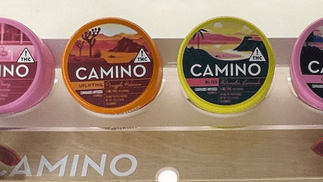
Kiva Confections (including Camino)
Kiva’s expansion shows how “brand + partner plant” can work in practice. In New Jersey, Garden Society announced it would manufacture Kiva Confections products (starting with Camino/Camino Sours) as part of a partnership. Kiva has also entered state-by-state agreements—like an arrangement to bring Kiva edibles to Florida through AYR—rather than building every manufacturing footprint from scratch.
Cookies
Cookies is famous for its genetics and retail experience, but its multi-state reality depends on contracts and licensed partners. Public filings include a Cookies licensing and packaging agreement that outlines how third parties can produce and sell licensed products under Cookies’ brand rules. In markets like Pennsylvania, TerrAscend has announced partnerships to launch Cookies products through its licensed operations and retail channels.
Jeeter
Jeeter’s dominance in pre-rolls has translated into new markets through licensing deals. Cannabis Business Times reported that Jeeter entered a licensing agreement (for New York) to sell its portfolio via a local partner—another real-world example of “brand standards + in-state manufacturing.”
Old Pal
Old Pal’s footprint has grown through operator partnerships. The Cannabist Company has publicly stated that, for West Virginia, Old Pal products are cultivated and produced by The Cannabist Company in its state manufacturing facilities—the brand travels, the compliant production stays local.
Binske
Binske is often cited as a brand that expanded early through licensing. MariMed announced it was licensed to manufacture and distribute the Binske portfolio across multiple states, formalizing the exact structure private-label manufacturing depends on: the brand’s playbook executed by licensed operators.
Read more on popular edible and drink brands here.